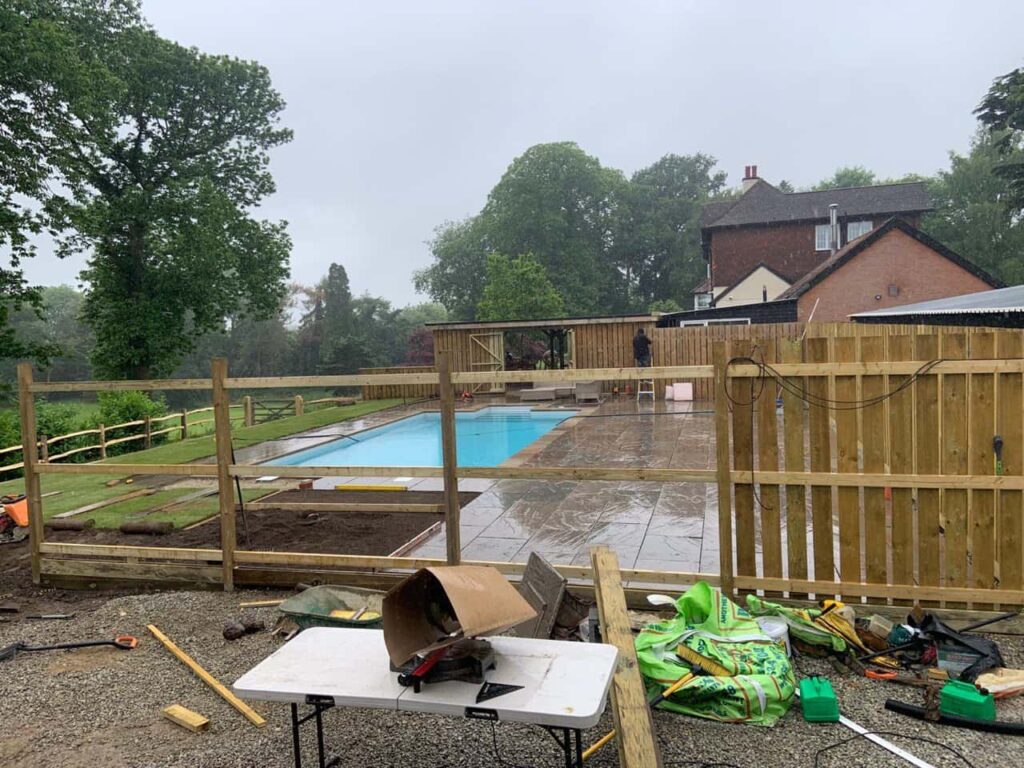
Why Post and Rail Fencing Is a Popular Choice for Rural Properties
Choosing the right fencing is important for rural properties where clear boundaries, practical access and a natural appearance all matter. Post and rail fencing has remained a popular option because it offers a simple, traditional design that suits open landscapes, paddocks, fields and larger gardens.
Its straightforward construction uses sturdy vertical posts connected by horizontal rails, creating a boundary that is both functional and visually unobtrusive. For property owners in Doddington, Cambridge, this style of fencing can provide a practical way to define outdoor spaces while maintaining the open character of the surrounding landscape.
What Makes Post and Rail Fencing Suitable for Rural Properties?
Post and rail fencing is valued for its combination of simplicity, strength and versatility. Unlike solid fencing panels, its open structure allows people to see through the boundary, helping rural spaces retain their spacious appearance.
It can be used around fields, paddocks, gardens, driveways and other areas where a clearly defined boundary is needed without completely enclosing the view.
A Traditional Appearance That Complements the Landscape
One of the main reasons property owners choose post and rail fencing is its natural, understated appearance. Timber rails and posts blend well with grassland, mature trees and traditional rural buildings.
The open design creates a clear boundary without making the property feel enclosed. This is particularly useful for larger gardens and countryside settings where maintaining an attractive view is just as important as defining the property.
Timber can also be treated or finished to suit the surrounding environment, helping the fence complement existing outdoor features.
Practical Boundary Definition
Rural properties often have large areas that need to be separated into manageable sections. Post and rail fencing provides a visible boundary that can help distinguish fields, garden areas, access routes and paddocks.
Its design makes it easier to identify property boundaries while retaining convenient access through appropriately positioned gates.
For landowners who need to organise different outdoor areas, this type of fencing offers a straightforward and adaptable solution.
Suitable for Paddocks and Livestock Areas
Post and rail fencing is frequently used around paddocks and grazing areas because its construction provides a visible physical boundary. The number and positioning of rails can be selected according to the intended use of the enclosure.
However, fencing for livestock should be designed with the animals in mind. Rail spacing, fence height, timber condition and overall construction all influence how suitable the enclosure will be.
For horses and other animals, additional considerations may be necessary to reduce the risk of injury or animals becoming trapped. A suitable design should reflect the type of livestock and the specific requirements of the property.
Understanding the Different Post and Rail Fence Designs
Post and rail fencing can be adapted to suit different settings and practical needs.
Two-Rail Fencing
A two-rail design offers a simple, open boundary and is often suitable for decorative purposes, garden divisions and areas where a less enclosed appearance is preferred.
It can help define the edge of a property without obstructing views across the surrounding landscape.
Three-Rail Fencing
Three-rail fencing provides an additional horizontal rail, creating a more substantial boundary. It is commonly used around paddocks and larger rural spaces where a clearly visible fence is required.
The extra rail can help make the boundary more noticeable, although the overall suitability still depends on the intended use and installation quality.
Timber Selection and Treatment
The quality of the timber plays an important role in the durability of a post and rail fence. Outdoor fencing is exposed to rain, moisture, sunlight and changing temperatures, so suitable materials are essential.
Pressure-treated timber can help protect against decay and extend the service life of the fence. The condition of the posts, rails and fixings should also be considered when choosing a design.
The Importance of Proper Fence Installation
Even good-quality materials can perform poorly if the fence is not installed correctly. Posts need to be positioned at suitable intervals and secured firmly enough to support the horizontal rails.
Ground conditions are particularly important on rural properties, where soil may vary across a field or garden. Uneven ground may also require adjustments to post positioning and rail alignment to achieve a consistent finish.
A professional installation should consider:
- The purpose and location of the fence.
- Suitable post spacing and overall fence height.
- Ground conditions and the stability of each post.
- Secure connections between posts and rails.
- Access requirements and the positioning of gates.
- The need for suitable timber treatment and ongoing maintenance.
Careful planning helps create a fence that follows the land naturally while providing a stable and practical boundary.
Maintaining Post and Rail Fencing
Although post and rail fencing is relatively straightforward, regular maintenance helps preserve its condition.
Check the posts for movement, leaning or signs of decay, particularly where timber meets the ground. Rails should also be inspected for cracks, loose fixings and damage caused by weather or impact.
Replacing damaged sections promptly can help prevent problems from spreading along the fence. Keeping vegetation under control around the base of posts can also make inspections and maintenance easier.
Timber treatments may need renewing periodically, depending on the product used and the level of weather exposure.
Conclusion
Post and rail fencing remains a popular choice for rural properties because it combines a traditional appearance with practical boundary definition and versatile design options. Whether used around paddocks, fields, gardens or access areas, it can provide a natural-looking boundary that complements open outdoor spaces.
For property owners considering new fencing in Doddington, Cambridge, Fast Fix Fencing Doddington can help plan and install a post and rail fence suited to the layout and purpose of the property. Contact the team to discuss your fencing requirements and arrange a consultation.
Call us on: 01668 268 793
Click here to find out more about Fast Fix Fencing Doddington
Click here to complete our contact form and see how we can help with your fencing needs.